State a narrow hypothesis
Choose one recurring format and one audience. Write: “For [audience], a [result-first/question/problem] opening may increase the share who choose to watch, while the body and action remain substantially stable.” “May” matters: organic distribution is personalized and uncontrolled. YouTube’s current discovery guidance says its systems consider viewer choice, average view duration and average percentage viewed, alongside satisfaction and external factors. That supports the measurements, not a promise that the hook caused them.
Prepare four hook families
Use result-first, specific question, visible problem and counterexample. Draft three posts per family, for twelve total, using topics from the same narrow series. Keep host, approximate runtime, production quality, body structure, proof type and call to action as consistent as practical. Do not repost the exact same clip to the same audience repeatedly; topic fatigue and prior exposure would create another confound. Instead, use comparable episodes and record the differences you could not hold constant.
Schedule a balanced rotation
Across four weeks, rotate families through available posting days and time bands rather than assigning one family only to Mondays or the final week. A hypothetical sequence for three weekly posts is A-B-C, D-A-B, C-D-A, B-C-D. This is not randomization and the sample is small, but it distributes obvious calendar effects better than testing A in week one and D in week four. Pause for safety, policy or breaking-news context; document the interruption rather than forcing the schedule.
Capture exposure before interpretation
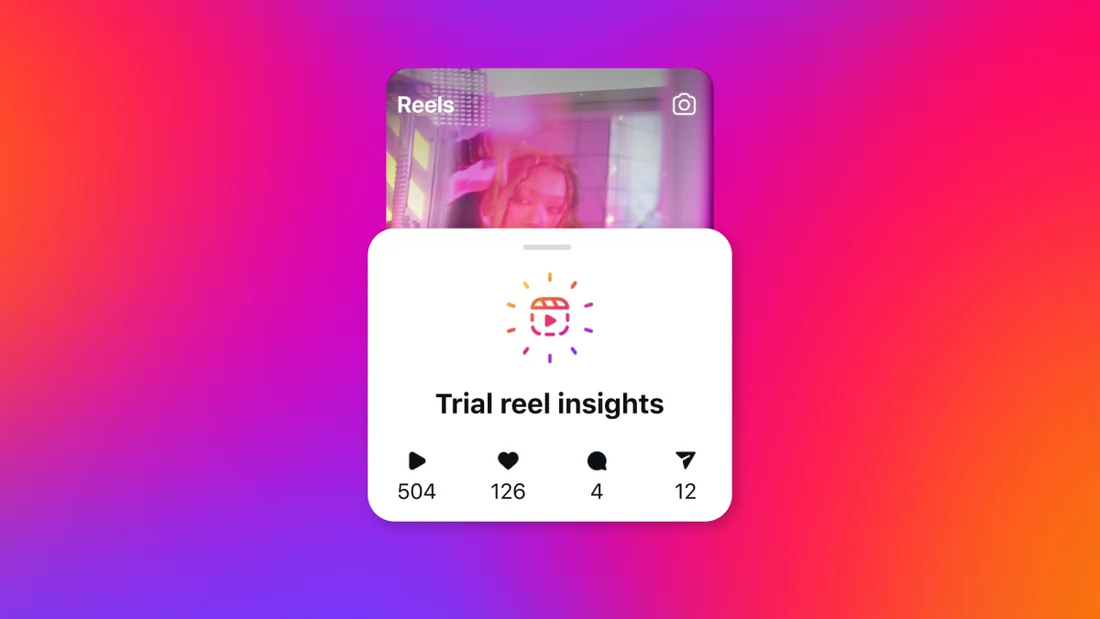
For YouTube Shorts, record shown in feed, chose-to-view, average view duration, average percentage viewed, meaningful actions and topic. YouTube’s analytics guidance defines shown in feed and chose-to-view; an updated Studio began rolling out in 2026, so labels may vary. On Instagram, eligible creators can use Trial Reels for non-follower testing, but Meta notes followers may still encounter a trial through sharing or related surfaces. Keep platform results separate.
Make a modest decision
Choose the measurement window before the first post—for example, the same number of hours after each release—and wait for the last post to reach it. At four weeks, compare medians and ranges by hook family, then inspect the actual clips. Do not crown a winner from one outlier. A useful conclusion is “result-first openings earned higher chose-to-view in this twelve-post series, but topic and distribution were uncontrolled; repeat with another batch.” Also check whether stronger initial choice came with weaker watch time, saves, clicks or qualified actions. Preserve every row, including weak posts, and define the next test before changing the production system. This is a controlled editorial exercise, not a randomized experiment, causal estimate or universal benchmark. With only three posts per family, avoid significance language and percentage-lift headlines. Report raw denominators, missing metrics and any post that received unusual external traffic, paid support or creator collaboration. If exposure is tiny, report that plainly and repeat rather than interpreting unstable rates.
Put it into practice
Sources & limits
The design is nonrandom, underpowered and exposed to topic, timing, audience and distribution confounds; results are directional for the tested series, not causal or universal.
- Search & discovery tips — Shorts ↗
YouTube identifies viewer choice, average view duration, average percentage viewed and satisfaction signals while noting topic interest and competition.
YouTube Help · Source publication date not stated · Reviewed: 2026-09-19 - Content tab analytics tips — Shorts ↗
YouTube defines shown in feed and how many chose to view as Shorts diagnostics in Studio.
YouTube Help · Source publication date not stated · Reviewed: 2026-09-19 - Test Content With Non-Followers Using Trial Reels ↗
Meta describes Trial Reels as non-follower-first tests, lists available engagement metrics and notes possible follower exposure through other surfaces.
Meta · Source date: 2024-12-10 · Reviewed: 2026-09-19