The test
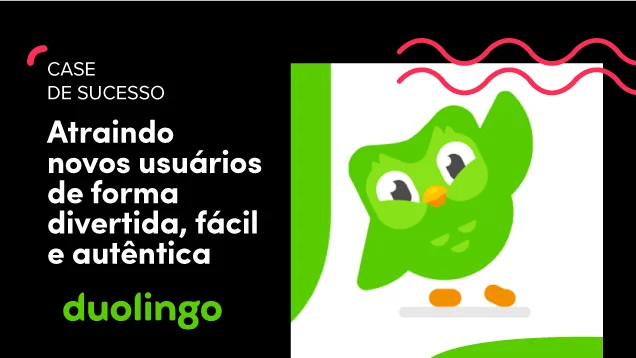
TikTok's own business case study on Duolingo documents a campaign the language-learning app ran in Brazil around the country's back-to-school season, which the case study places in August 2021. Duolingo's owl mascot and other brand characters were built into TikTok-native content explaining the platform's own slang — #fy, #trend, #stitch, #cringe — under the tagline Falar Ingles Nao Custa ("Speaking English Doesn't Cost"). TikTok's account of the media plan describes four weekly placements in TikTok's One Day Max format over one month, paired with in-feed ads served to segmented audiences. The stated objective was app installs, cost per install, registrations, new users and retention, alongside broader brand awareness, for an app the case study says already had more than 30 million users in Brazil.
What the evidence says
The figures in the case study are TikTok's own summary of the campaign, written and published by TikTok to promote its ad platform, not an independently verified measurement. The document reports a click-through rate 39% above TikTok's internal benchmark, follower growth described as over 1,400%, reach above 38 million unique TikTok users, and more than 90 million video views. The case study states the campaign "achieved all primary KPIs" without publishing the underlying numbers behind that claim, so a reader cannot check the installs or retention figures against Duolingo's own reporting. No independent source here corroborates these numbers; they are TikTok's own characterization of a client campaign, not a Duolingo-disclosed result.
The sample and the variance
This is one campaign, one advertiser, one market and one seasonal window, described by the platform that sold the media. A percentage change against an unstated benchmark — 39% above what baseline, measured how — cannot be reproduced by a reader. Follower growth expressed only as a percentage, without a starting count, is hard to interpret: a small base can swing more than a large one. TikTok publishes this case study through its own case-study hub, a curated slate of stories TikTok chooses to feature, not a representative sample of outcomes. The page carries no visible publication date and can change at any time.
What to try next
This is an editorial checklist, not a projection. A brand evaluating a similar TikTok campaign can reasonably ask TikTok's sales team for the raw metrics behind any cited percentage, request the benchmark definition before comparing a click-through rate to it, and separate platform-reported reach from any outcome the advertiser discloses itself, such as app-store data or earnings statements.
- What is the unstated baseline behind a "percentage above benchmark" claim, and can the advertiser confirm it?
- Does the case study report a platform-side metric, an advertiser-disclosed metric, or a blend of both?
- Would the same creative and cadence be expected to repeat outside the seasonal window the case study describes?
A vendor case study is a real account of what a platform chose to publish about a client's campaign, and it can be a useful sketch of a creative approach. It is not a substitute for the advertiser's own disclosed results, and treating its percentages as guaranteed or repeatable outcomes goes beyond what TikTok's own document supports.
Sources & limits
- Duolingo case-success story (TikTok for Business, Brazil) ↗
TikTok's own reported campaign mechanics and figures (CTR, follower growth, reach, views) for the Duolingo campaign.
Source · Source publication date not stated · Archive retrieval: 2026-09-16 - TikTok for Business Inspiration hub ↗
Shows the case study sits within a curated, TikTok-selected gallery of client stories, not a representative sample.
Source · Source publication date not stated · Archive retrieval: 2026-09-16