You see a falling object, a startling movement or a half-finished action. At the cut, a creator appears to catch it, continue it or turn it into a product demonstration. Elsewhere, a talking video runs above unrelated gameplay. Both compete for attention, but they do different jobs. This guide gives you working names, not a claim that one format has discovered an algorithmic shortcut.
First ask: sequential or simultaneous?
If the borrowed scene ends before the creator’s main scene begins, describe a sequential hook. If both remain visible together, describe a concurrent or split-screen composition. Then ask whether the two scenes share a subject. These two observations are more useful than starting with “viral,” a label for an outcome rather than an editing structure. The format explorer makes the difference visible.
Transitional hooks: the opening becomes the cut
“Transitional hook” is a useful search term for a striking opening that leads into another scene. A supplier using that name groups motion-led transitions such as wipes and match cuts under it; that establishes usage, not a proven retention benefit. A drop or fall hook is a descriptive subtype: downward movement in the opening is continued, caught or answered in the next shot. Neither name is an official Instagram metric or feature category.
Our hypothetical version uses a harmless falling paper ball, followed by the same ball landing beside a messy desk. A creator then demonstrates a filing system. The visual connection explains the edit. Whether the resulting video helps people is a separate question. A well-aligned cut can still lead into a weak or unrelated message.
Pattern interrupts and open loops describe a function
For this collection, a pattern interrupt means an unexpected change in what the viewer sees or hears. An open loop means a question or incomplete action that invites a later answer. They are not interchangeable with borrowed footage: your own demonstration can do either. Show the unsolved part of a real problem, then resolve it. Do not label these choices as neuroscience or assume that surprise equals persuasion.
There is also a plain direct hook: name the reader’s problem and show relevant proof immediately. Keep that version as a useful comparison. If the transition takes more effort to understand than the problem itself, visual cleverness may be doing the wrong job.
Split-screen sludge is a different structure
In this collection, “sludge content” refers to a main narrative alongside an unrelated visual activity, such as gameplay or repetitive craft footage. The second stream continues instead of handing attention over at a cut. It may be the clip a viewer watches most, which is precisely why a view count cannot tell you whether the main explanation landed. Read the evidence review before treating this format as a learning aid or a source of cognitive harm.
A reaction remix can be genuinely relevant
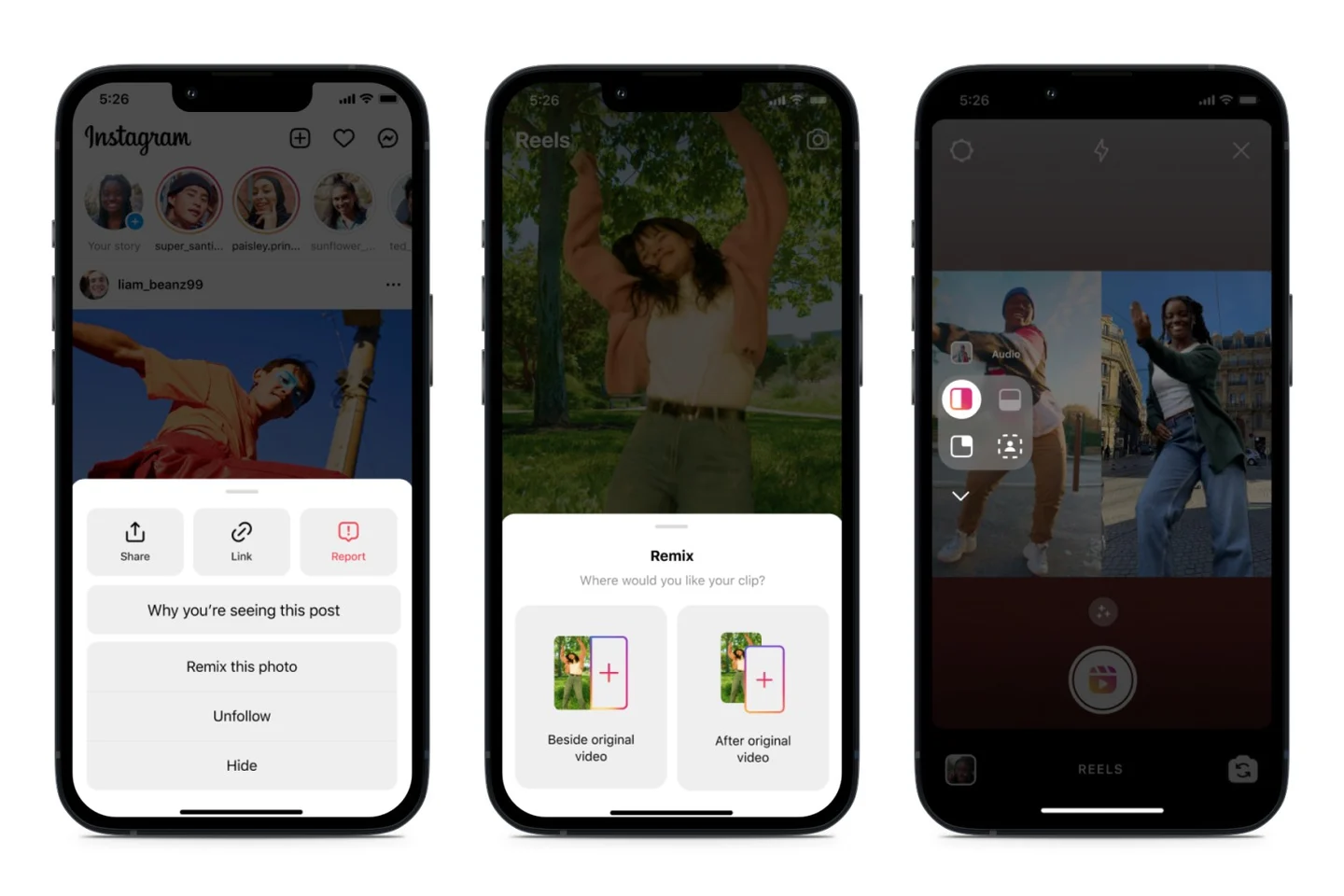
Concurrent video is not automatically sludge. A repairer can place a demonstration beside an explanation of the same action. Meta’s July 2022 announcement described both an after-original Remix option and concurrent layouts. That is historical feature documentation, not permission to reuse any clip anywhere. A relevant commentary layout should help the viewer locate what is being discussed, not merely add motion.
Bait-and-switch describes a broken promise
Use this term carefully. Here it means an opening whose implied subject or payoff is abandoned when the message changes. It describes the viewer’s expectation, not a legal finding. A comic reveal can be honest when the joke is the actual point. A dangerous-looking scene cut into an unrelated sales pitch is a different editorial bargain. Ask a reviewer what they thought they were about to learn before showing the ending.
Choose the format after writing the payoff. Build a transition that earns its cut, check the footage’s provenance, then test the handoff. Name the technique so you can analyze it, not so a fashionable label decides the video for you.
Put it into practice
Sources & limits
This is an editorial working vocabulary, not an official Instagram classification. Terms overlap and commercial suppliers use them inconsistently. The Meta image is a dated 2022 feature reference, not evidence of effectiveness or current UI.
- How to use transitional hooks for Instagram Ads ↗
First-party evidence of commercial terminology and editing patterns only. A supplier’s recommendations do not establish performance.
The Transitional Hooks · Source publication date not stated · Reviewed: 2026-09-19 - Introducing New Ways to Collaborate and Create With Reels ↗
Historical announcement distinguishing sequential Remix from concurrent layouts. Does not establish current account availability, legal permission or retention outcomes.
Meta · Source date: 2022-07-21 · Reviewed: 2026-09-19