The test
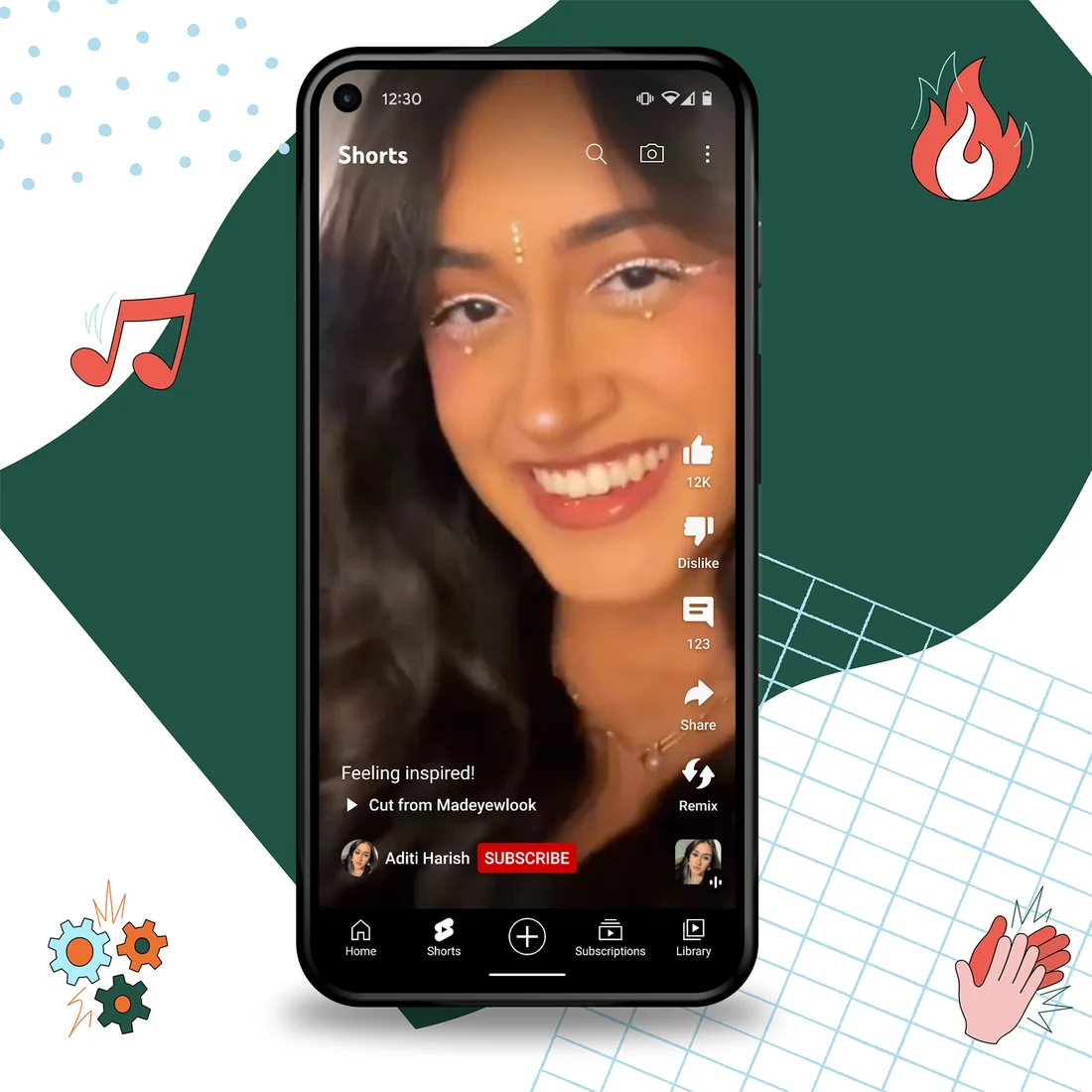
YouTube's own culture and trends post, published 8 February 2023, documents a Shorts remix tool it calls Cut, which the post says lets creators "use a 1-5 second segment from any eligible YouTube video or Short… all while crediting the source." The post illustrates three ways creators used the tool: reaction videos responding to another Short, expert commentary where a specialist evaluates a clip in their field, and trend participation where a creator samples a viral format and adds a personal take. YouTube's separate help center article on remixing, a living document as retrieved on 16 September 2026, defines what can be reused more broadly: a library song, original audio from other Shorts or long-form videos, or a short video segment from eligible videos across YouTube, with some material unavailable due to privacy or copyright claims.
What the evidence says
The two documents describe a bounded, attributed mechanic, not a growth outcome. The blog post's examples cap reused footage at one to five seconds. The help article states source creators are notified when remixed — "one summary notification is sent per day; up to three times per week" — and the clip is credited automatically on a Sound Library page linking back to the source. A creator who does not want their content reused can go into YouTube Studio, open a video's settings, find "Shorts remixing," and disallow it; the article notes that "restricting remixing or deleting your video also stops any future remixes from being created," so the restriction is not retroactive.
The sample and the variance
YouTube's blog post is illustrative, not statistical: it names three usage patterns with one example creator each, and does not publish how many creators used the tool, how often, or what happened to their view counts. The help article is a living reference subject to change without a visible version history; a rule described here, such as the daily notification cap, could be revised after this retrieval date. Neither document claims that remixing increases a remixer's reach, or that being remixed increases the original creator's reach — both describe mechanics and controls only.
What to try next
This is an editorial reading of YouTube's documented mechanics, not evidence that remixing grows a channel. A creator can reasonably use the three named patterns as a starting menu of formats, not a ranked list, check a source video's remix setting before assuming it is available for reuse, and set their own Shorts-remixing control deliberately rather than leaving the default unexamined.
- Has YouTube published any data on how remix usage correlates with a channel's growth, separate from these illustrative examples?
- Does the one-to-five-second reuse limit apply uniformly, or can eligible creators reuse longer segments under different terms?
- How current is the notification cadence and restriction process described in the help article as of a reader's own check?
YouTube's own documentation describes Cut as a bounded, attributed remixing mechanic with creator-side controls on both ends of a remix, and its published examples are illustrations of format, not a measured account of what remixing does for reach.
Sources & limits
- Cut: 3 ways to remix videos on Shorts (YouTube Official Blog) ↗
YouTube's own examples of the Cut remix tool, its 1-5 second reuse limit, and source-crediting behavior.
Source · Source date: 2023-02-08 · Archive retrieval: 2026-09-16 - About remixing on Shorts (YouTube Help) ↗
Defines what content can be remixed, how source creators are notified and credited, and how to restrict remixing of a video.
Source · Source publication date not stated · Archive retrieval: 2026-09-16