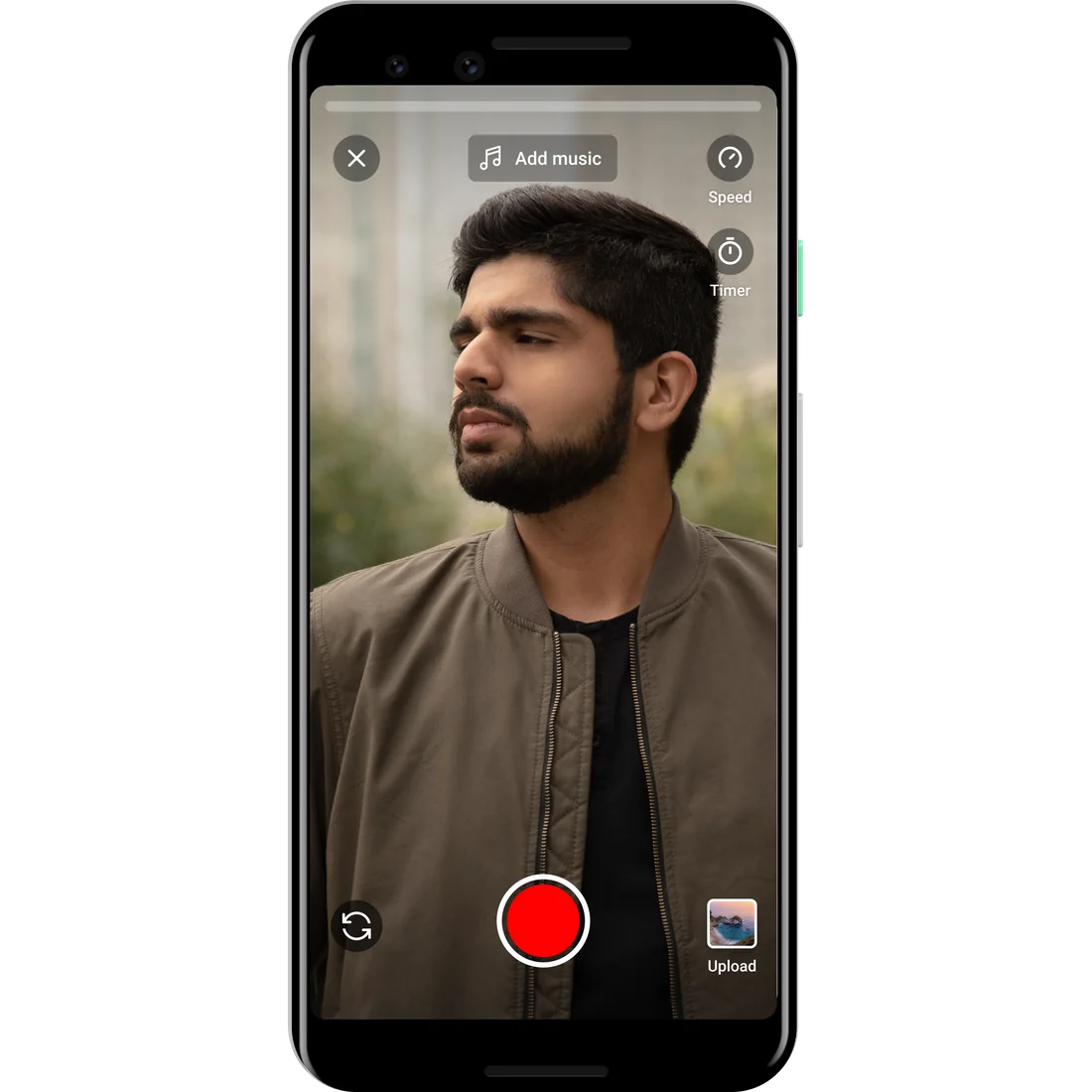
The test
On 14 September 2020, YouTube's Chris Jaffe, VP of Product Management, published a post on the company's own blog titled 'Building YouTube Shorts, a new way to watch & create on YouTube.' The post states: 'Over the next few days in India, we're launching an early beta of Shorts with a handful of new creation tools to test this out,' and lists what the beta included: 'a multi-segment camera to string multiple video clips together,' music from 'a large library of songs,' 'speed controls,' and 'a timer and countdown.' The post explicitly calls this 'an early version of the product' and says YouTube would 'continue to add more features and expand to more countries in the coming months.' The beta arrived roughly eleven weeks after India's own government ordered the blocking of TikTok and 58 other apps on 29 June 2020.
What the evidence says
YouTube's own post frames Shorts as a beta confined to one country with a limited tool set, not a global launch, and it does not attribute the timing or the choice of India to any competitor's absence from the market. That silence matters: a reader who assumes YouTube has said Shorts was built to fill the TikTok-shaped gap in India is reading an inference into the post, not a claim the post makes. The two events sit close together in time, which is itself a documented fact worth noting, without treating proximity as the company's own stated reason.
The sample and the variance
The post describes a single-market beta with a named, limited feature set; it says nothing about how many creators used the multi-segment camera, how many videos were made, or how the beta performed, and no figure of that kind should be attached to this record. YouTube's later global rollout of Shorts and its 2023 monetisation changes are separate, later documents with their own dates and figures, not extensions of what this September 2020 post states.
What to try next
When two platform events land close together in time, check whether either company's own document draws a causal line between them before writing one in; a shared calendar window is a fact worth recording, not proof of intent. This is an editorial habit, not a claim YouTube's post makes.
- Does the platform's own post name the reason for the timing or market choice, or is that an outside inference?
- Is the described release a beta confined to one market, or a full global rollout?
- What tool set does the beta actually list, as distinct from features added in later, separately dated updates?
YouTube's own account of the Shorts beta is careful to describe a limited test in one market, and reading a competitive strategy into it requires going beyond what the company's blog actually says.
Sources & limits
- Building YouTube Shorts, a new way to watch & create on YouTube ↗
YouTube's own blog post by VP Chris Jaffe announces an early India-only beta of Shorts with a multi-segment camera, music library, and speed controls.
Source · Source date: 2020-09-14 · Archive retrieval: 2026-09-16 - Government Bans 59 mobile apps which are prejudicial to sovereignty and integrity of India, defence of India, security of state and public order ↗
India's own government press release documents the 29 June 2020 order blocking TikTok and 58 other apps, roughly eleven weeks before the Shorts beta announcement.
Source · Source date: 2020-06-29 · Archive retrieval: 2026-09-16